Ideal as a first stop
Its compact size makes it perfect for one or two nights at the start of the route, before heading into Serengeti or Ngorongoro.
Very close to Tarangire and the Ngorongoro crater.
Plan your tripA compact and varied park, famous for its tree-climbing lions.
Year-round; vegetation is greener from November to May.
Acacia forests, an alkaline lake full of flamingos, and the rare chance to see lions resting on tree branches.
Lodges on the Rift Valley escarpment, with views over the lake.
Its compact size makes it perfect for one or two nights at the start of the route, before heading into Serengeti or Ngorongoro.
Very close to Tarangire and the Ngorongoro crater.
Plan your tripLake Manyara is a small park that packs in a lot for its size: acacia forest, the Rift Valley escarpment, and an alkaline lake that covers much of its surface. Because it’s so compact, it’s explored in a single day, which makes it an easy fit inside a longer route without taking time away from the Serengeti or Ngorongoro.
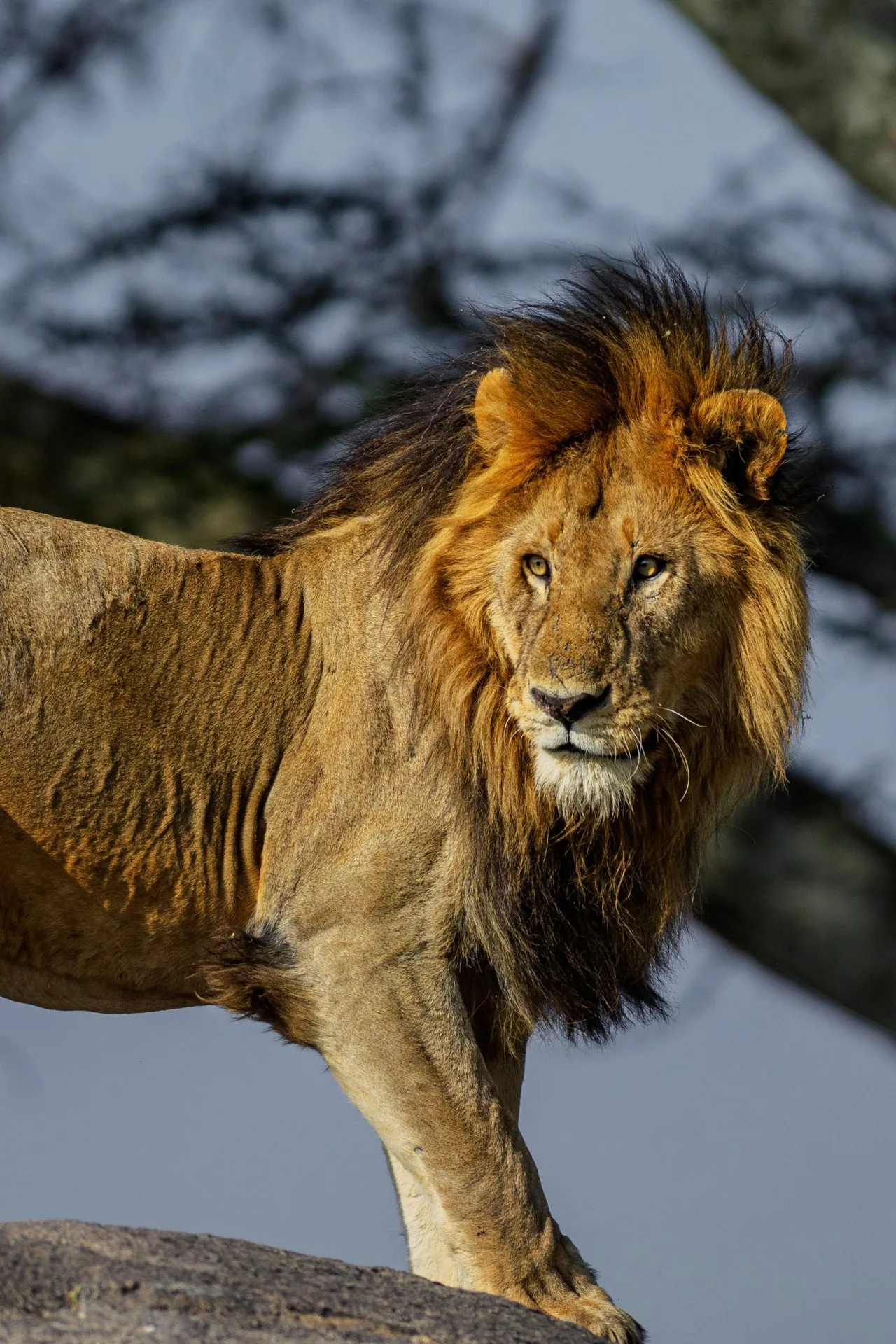
It’s known for lions that rest up in acacia branches, a behaviour rarely seen elsewhere in Tanzania. As with any wild animal, seeing it isn’t guaranteed — it depends where the pride happens to be that day — but Manyara remains one of the few places in the country where it’s a real possibility.
Given its size and location — close to Tarangire and the entrance to the Ngorongoro Crater — Manyara works best as the first or last stop on a longer route, not as a standalone destination. Our Grand Safari (6 days) is the one that includes it, combined with Tarangire, the Serengeti, Ngorongoro and Mto wa Mbu.
See the cost of the route that includes Manyara →Since it’s covered in a single day, it fits well into tighter itineraries without sacrificing variety of scenery.
The alkaline lake draws large flamingo colonies and other waterbirds year-round.
Its proximity to the crater makes it a natural stop along the way, with no detour added to the route.