A safari built around photography doesn't run on the same clock as a standard one. The pace changes, the timing changes, and so does the whole idea of what counts as a good moment. If you want to come home with images that actually capture what you saw, a few decisions are worth making before you land, not once you're already in the vehicle.
Watching is not the same as shooting
On a regular safari, five minutes with a leopard already feels like the highlight of the day. On a photography-focused one, those five minutes are just the starting point. You need time to find the angle, wait for the light or the animal's posture to shift, and sometimes just sit still until something worth photographing actually happens. That means fewer parks per day and a lot more time given to each sighting, instead of ticking off as many animals as possible.
Why pace matters more than mileage
Sharing a vehicle with other travellers who want to see more in less time is usually the first thing that derails a photography safari. Waiting another twenty minutes for a herd to move into better light, or turning back because the sky suddenly looks interesting, only works if you're the one setting the pace. That's why, for anyone putting photography first, a private vehicle isn't a nice extra. It's what makes every other decision on this list possible.
Chasing the light
The first and last hours of the day still tend to deliver the most, with warmer, lower light and, often, more movement among the animals. Around midday, with the sun high and harsh, many photographers prefer to pause, review what they've shot, or switch to landscape and detail instead of forcing wildlife shots in flat light. Planning the game drives around the light, not just around the itinerary, matters as much as choosing the right park.
Where to point the camera
Not every destination offers the same thing through a viewfinder, so it's worth choosing based on the kind of image you're after:
- Serengeti: wide open plains, herds on the move, and some of the most recognisable wildlife scenes in Africa.
- Tarangire: centuries-old baobabs as the real subject of the frame, with elephants moving between them.
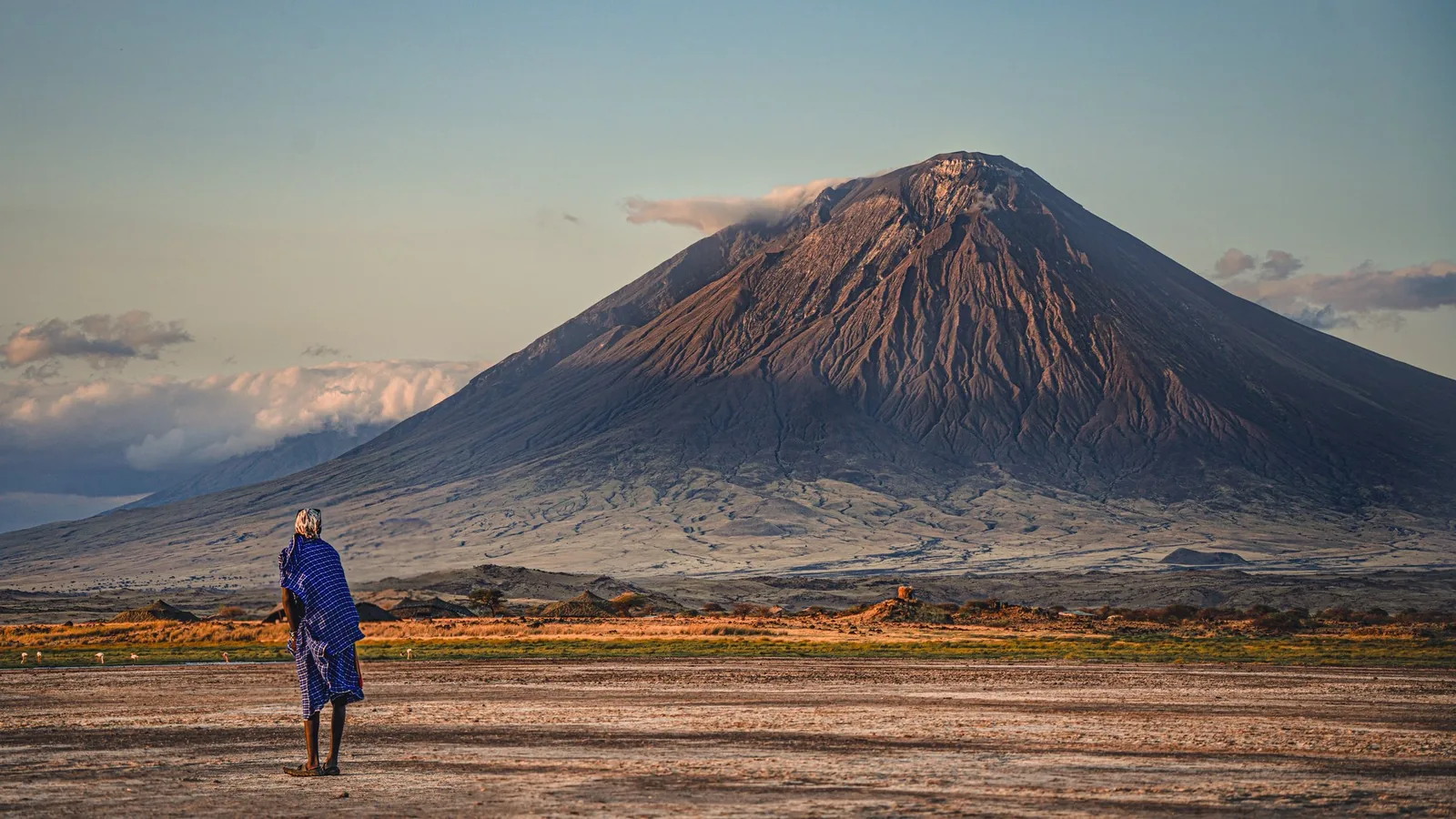
- Lake Natron: volcanic landscape, pink-tinged water depending on the season, and the silhouette of Ol Doinyo Lengai in the background.
- Ngorongoro Crater: sunrise light spilling over the crater rim, and a density of wildlife that rarely leaves the frame empty.
The sky counts too
Away from the parks, far from any artificial light, Tanzania's night sky is one of the things that catches people most off guard when they came for something else entirely. An acacia silhouetted against the Milky Way, like the one in the photo at the top of this article, doesn't happen by accident. It takes choosing the right night, the right spot, and building in time to stay up with a camera instead of turning in early.
How we build it: the In Focus Safari
That's why one of our suggested routes is built specifically around this: the In Focus Safari. It's not a fixed itinerary, it's a starting point we adjust to the kind of photography you're after, the gear you're bringing, and how many days you want to spend at each location. Private guide, private vehicle, and time allocated around what you actually want to photograph, not around a schedule built for groups.
If you're planning a trip built around the camera, tell us what kind of images you're chasing and what gear you're bringing. From there, we design the days, the parks and the pace together.